

How a youth-focused initiative is encouraging students to engage with public life, leadership and Bihar’s future.
Young people are often described as the future of a country. But meaningful participation begins when they are given opportunities to discuss public issues, understand governance and develop the confidence to contribute.
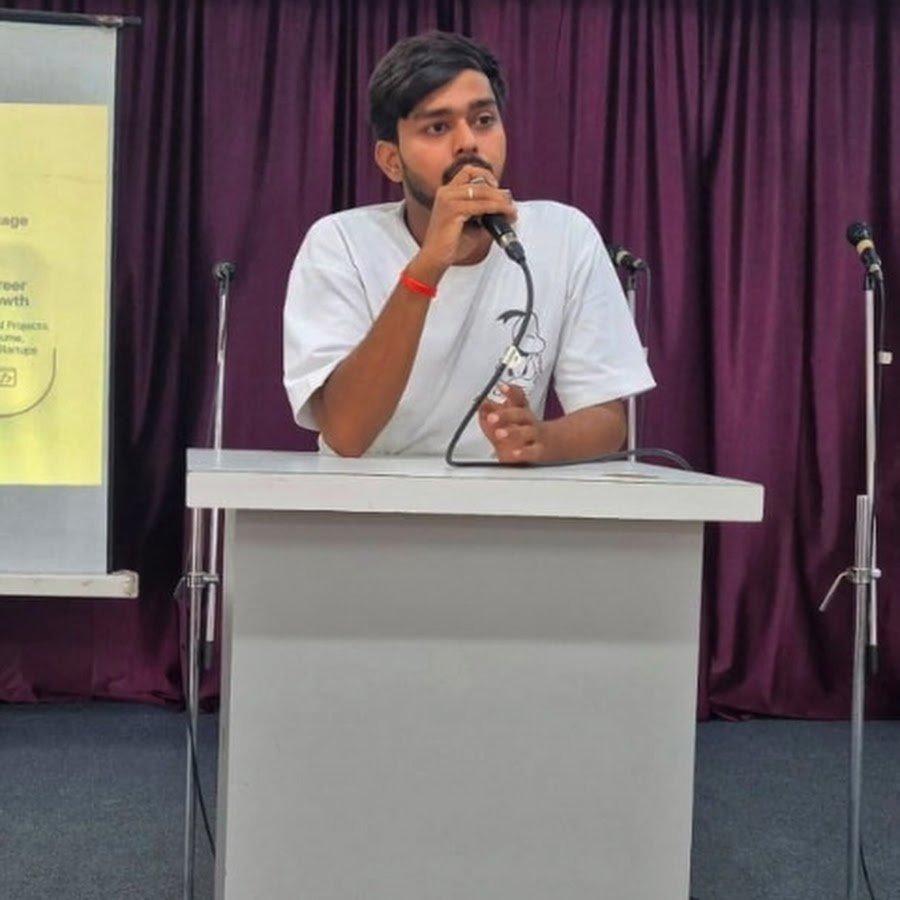
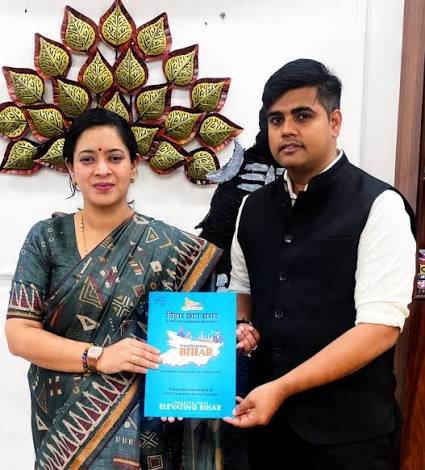
Ankit Kumar, founder of Bihar Chhatra Sansad, has built his public work around this idea. The initiative creates a platform for students and young people to engage with leadership, public life and questions affecting Bihar and India.
From discussion to participation
Bihar Chhatra Sansad presents itself as a youth-oriented forum focused on leadership, civic engagement and public dialogue. Its purpose is to encourage young people to take an active interest in the issues shaping their communities and their country.
The idea behind a student parliament is important: young people need more than opinions. They also need spaces where they can learn to express those opinions, listen to different perspectives, ask questions and consider possible solutions.
For a state such as Bihar, where young people represent an important part of the population and public conversation, platforms that encourage informed participation can help make discussions about development more inclusive.
Building a platform around youth
Bihar Chhatra Sansad has organised editions that bring students and people from public life together. Its eighth edition, held in Patna in September 2025, focused on youth, sustainability and building a brighter future for Bihar. Patna Women’s College also documented the event and its recognition of student and institutional participation.
Such gatherings can provide opportunities for students to engage with issues beyond their classrooms. They can also expose participants to different viewpoints and encourage them to think about leadership as responsibility rather than status.
For the organisers, creating these spaces requires more than bringing people into one auditorium. A lasting youth platform must build trust, sustain participation and give students a reason to remain involved beyond an individual event.
Leadership is a practice
The work associated with Bihar Chhatra Sansad points to a broader lesson: leadership develops through participation. Students who learn to communicate clearly, work with others and examine public issues can carry those skills into careers, community work and civic life.
At the same time, youth engagement is most valuable when it makes room for thoughtful disagreement, factual discussion and constructive solutions. Encouraging participation should mean helping young people think independently, not telling them what to think.
For initiatives built around students, this creates an ongoing responsibility to remain open, accessible and focused on meaningful engagement.
What young people can take from this journey
There are three lessons for students and aspiring community builders.
First, do not wait for a formal title to become involved. Start by learning about the issues affecting your community and taking part in constructive conversations.
Second, create spaces where others can contribute. A platform becomes stronger when it gives people opportunities to participate rather than simply asking them to watch.
Third, think beyond a single event. Long-term impact comes from consistent engagement, useful learning and opportunities for people to turn ideas into action.
A continuing conversation about Bihar’s future
Ankit Kumar’s work with Bihar Chhatra Sansad places youth leadership and public participation at the centre of the conversation. The initiative’s broader value will depend on how effectively it continues to engage young people and turn dialogue into sustained participation.
Bihar’s future will be shaped by many different people and institutions. Giving young people opportunities to understand the challenges before them—and to take part in discussions about solutions—is one way to help prepare the next generation.
The central idea is simple: young people should not only inherit the future; they should have opportunities to participate in shaping it.